Tips for Choosing the Right Current Transformer (CT) for Reliable Industrial Electrical Monitoring S
Author
Tips for Choosing the Right Current Transformer (CT) for Industrial Monitoring
Understanding Current Transformers
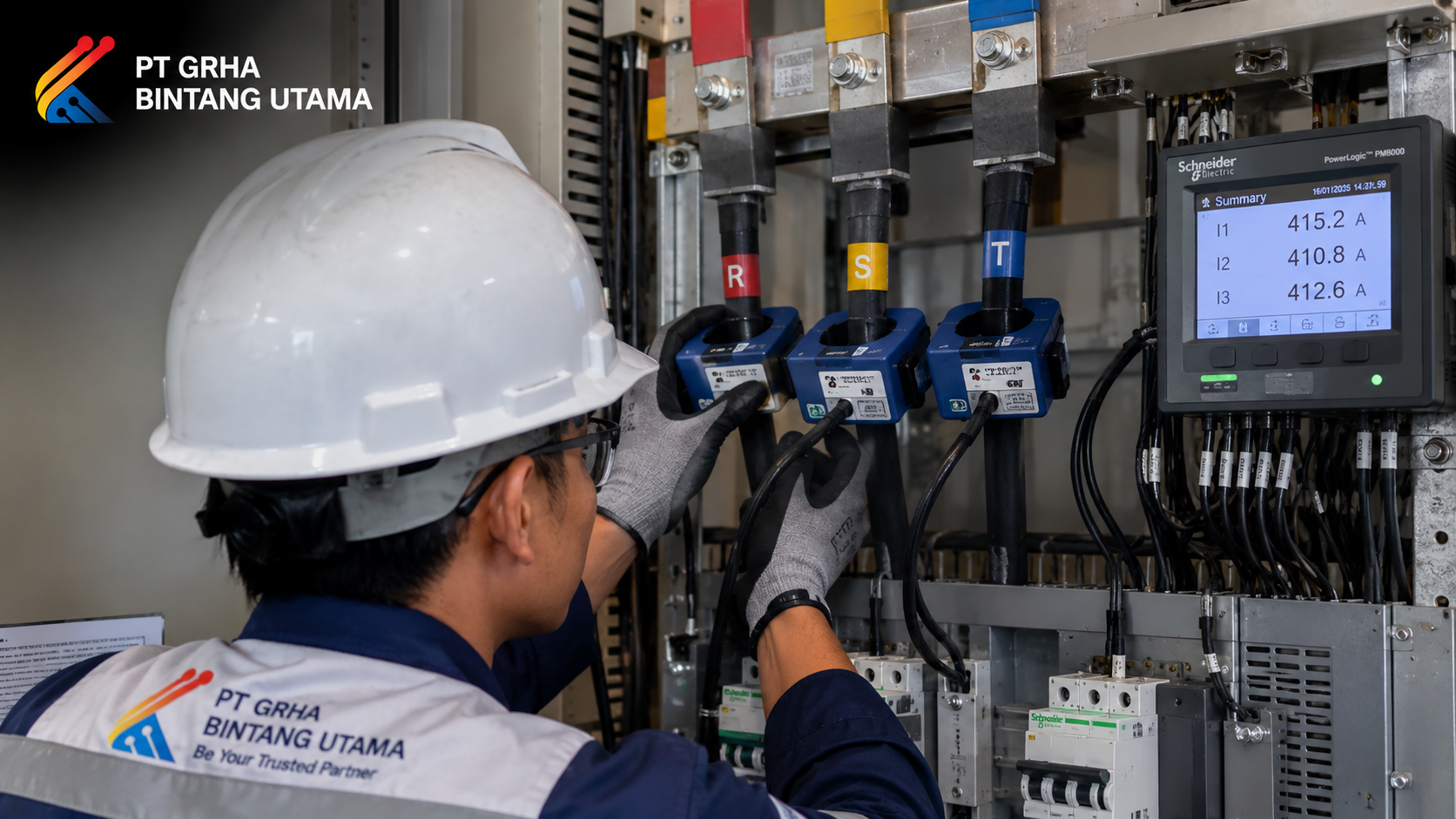
In industrial electrical systems, knowing how much current flows through machines, motors, distribution panels, and feeders is an important part of condition and energy monitoring. One of the most widely used devices for this purpose is an industrial current transformer, commonly known as a CT.
A CT transforms a high primary current into a lower secondary current that can be measured by power meters, energy meters, protection relays, PLCs, or monitoring systems.
For example, a 500/5 A CT is designed to provide a nominal 5 A secondary current when the primary current reaches 500 A.
Selecting a CT, however, involves more than simply choosing an Ampere rating. CT ratio, accuracy class, burden, secondary output, window dimensions, core construction, and installation conditions should all be considered.
Schneider Electric identifies primary-current range, window size, application, accuracy, and burden as important factors when selecting a CT. Schneider Electric
1. Choose the Correct CT Ratio
One of the most important considerations is the CT ratio.
The ratio should correspond to the maximum expected current flowing through the conductor. Schneider Electric recommends selecting the ratio immediately above the maximum measured current. For example, for a maximum current of 1,103 A, a 1,250/5 A CT is recommended. Schneider Electric
Avoid unnecessarily oversizing the CT, particularly when accurate measurement at relatively low loads is important.
2.Consider the Accuracy Class
Different applications require different measurement accuracy.
For energy and power monitoring, the accuracy class is therefore an important consideration.
Depending on the application and product, CTs are available in classes such as Class 1, Class 0.5, 0.5S, and 0.2S. Socomec, for example, provides measurement CT families covering several accuracy classes, including high-accuracy options. Socomec Asia Pacific
Class 0.5S can also provide better accuracy than Class 0.5 at low percentages of rated current.
3. Check the CT Burden
Burden, generally expressed in VA, represents the load connected to the CT secondary circuit.
The calculation should account for both connected measurement or protection devices and losses in secondary wiring.
Schneider Electric notes that the minimum burden requirement should include instrument or protection-device burdens together with secondary wiring power losses. Schneider Electric
The CT should therefore be selected so its rated burden is compatible with the complete measurement circuit.
4. Split-Core vs Solid-Core
CT construction should match the installation conditions.
A solid-core CT has a closed magnetic core, requiring the conductor to pass through its opening. This is often suitable for new installations where panel construction can accommodate the CT from the beginning.
A split-core CT can be opened around an existing conductor, making it particularly convenient for retrofit monitoring projects.
Both configurations are widely available for industrial measurement applications.
5. Check the Window Size
A simple but important consideration is CT window size.
The opening must physically accommodate the cable or busbar being monitored.
Schneider Electric identifies window size as one of the main parameters required for CT selection. Schneider Electric
Cable outside diameter, insulation, conductor arrangement, and busbar dimensions should therefore be verified before selecting a model.
6. Match the Secondary Output
Traditional CTs commonly provide 5 A or 1 A secondary outputs, while modern current sensors may use voltage or conditioned analog signals.
Socomec's current-sensor portfolio, for example, includes secondary signals ranging from 1–5 A to 100–333 mV depending on sensor technology. Socomec Asia Pacific
Eaton also offers current sensors with industrial outputs including 4–20 mA, 0–5 VDC, and 0–10 VDC for certain applications. Eaton
Sensor output must therefore match the input specification of the meter, PLC, transducer, or monitoring platform.
7. Match the Application
Before selecting a CT, clearly define its purpose.
Will it support energy monitoring, power monitoring, motor monitoring, predictive maintenance, SCADA, an Energy Management System, or electrical protection?
A metering CT and a protection CT are not necessarily interchangeable.
ABB documentation, for example, discusses protection-oriented CT classes such as 5P and 10P and the importance of accuracy limits for protection relays. ABB Library
CT specifications should therefore be selected according to the actual application rather than current rating alone.
8. Installation Safety
Safety is critical when working with conventional current transformers.
The secondary circuit of a CT must not be left open while the primary circuit is energized. Schneider Electric specifically warns that CT secondary terminals should be short-circuited before work is performed on the secondary circuit. CKM Content
Installation and maintenance should always be performed by qualified electrical personnel according to manufacturer requirements and applicable safety procedures.
Conclusion
Selecting the right industrial current transformer involves much more than checking its Ampere rating.
The CT ratio should match maximum current, accuracy class should meet measurement requirements, burden should be calculated, the window must accommodate the conductor, and the secondary output must be compatible with the monitoring equipment.
The choice between split-core and solid-core designs should also reflect whether the project involves a new installation or a retrofit.
With properly selected CTs, current measurements can provide a foundation for energy monitoring, power monitoring, SCADA, predictive maintenance, and smart-factory development.
PT Grha Bintang Utama can support industrial electrical monitoring requirements through sensor selection and monitoring architectures tailored to each facility's operational requirements.
Source :
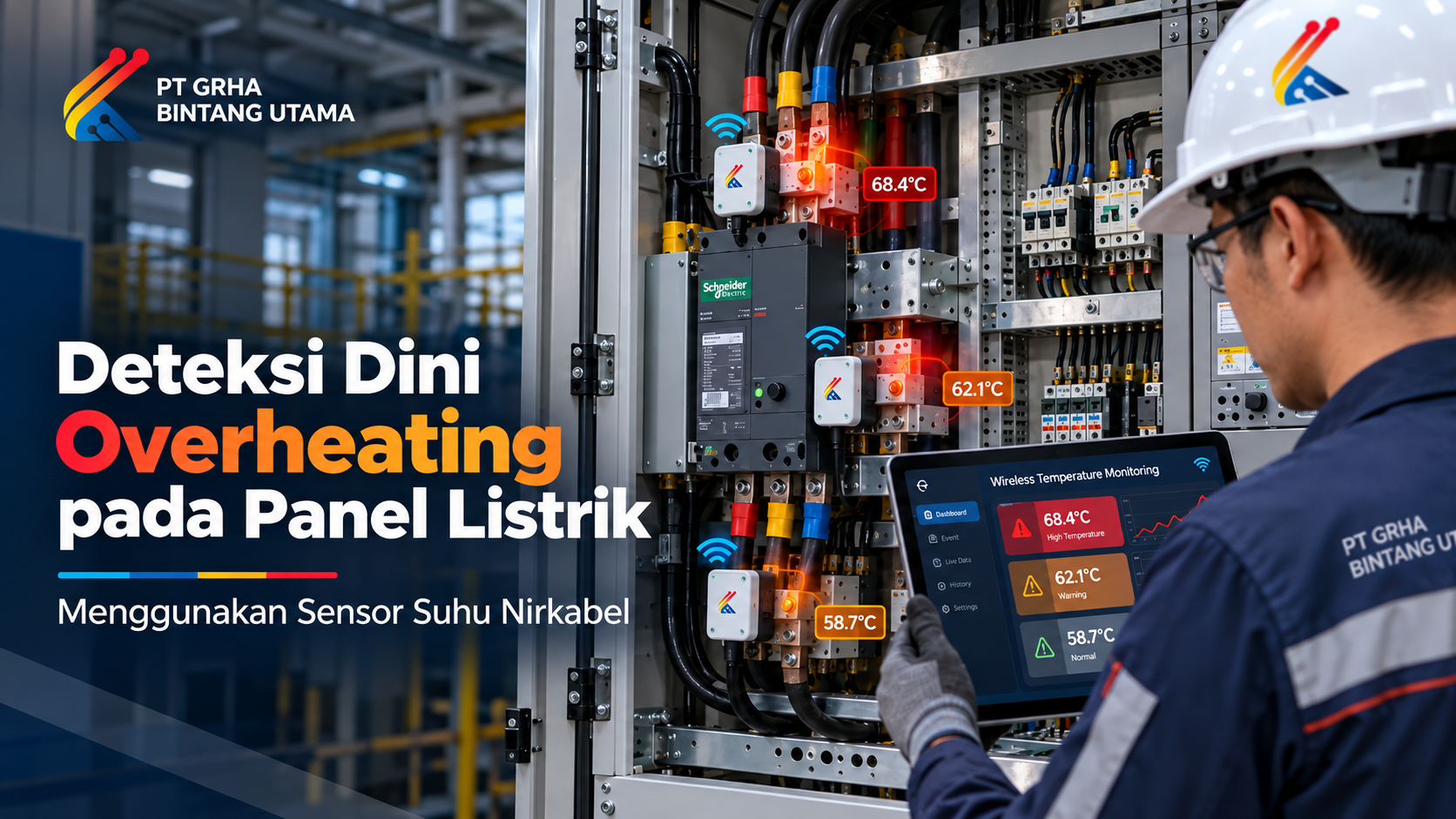
https://grhabintangutama.co.id/Early Detection of Electrical Panel Overheating Using Wireless Temperature Sensors for Plant Safety.
Read More
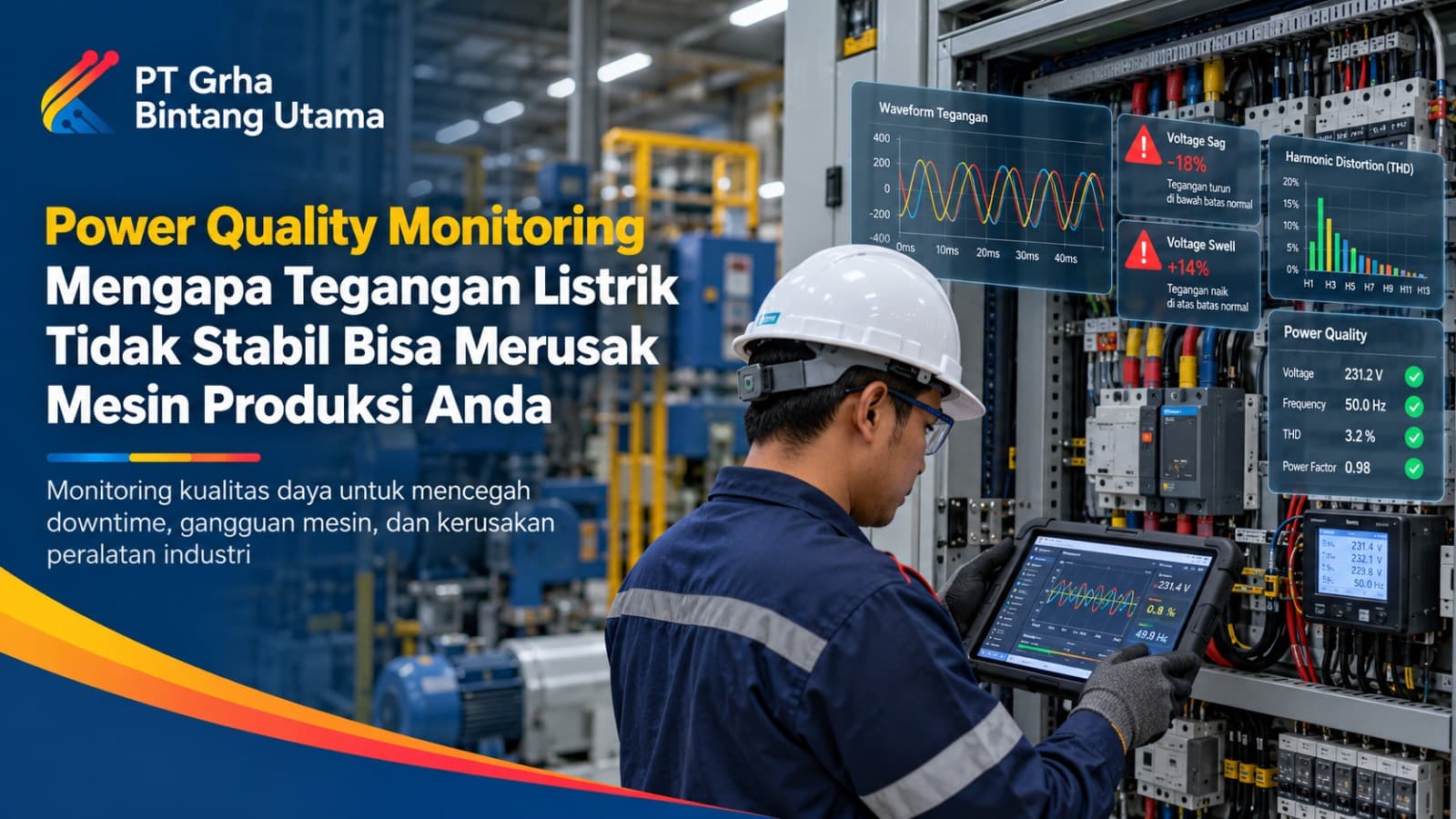
Power Quality Monitoring: Why Unstable Voltage Can Damage Your Industrial Production Equipment
Read More
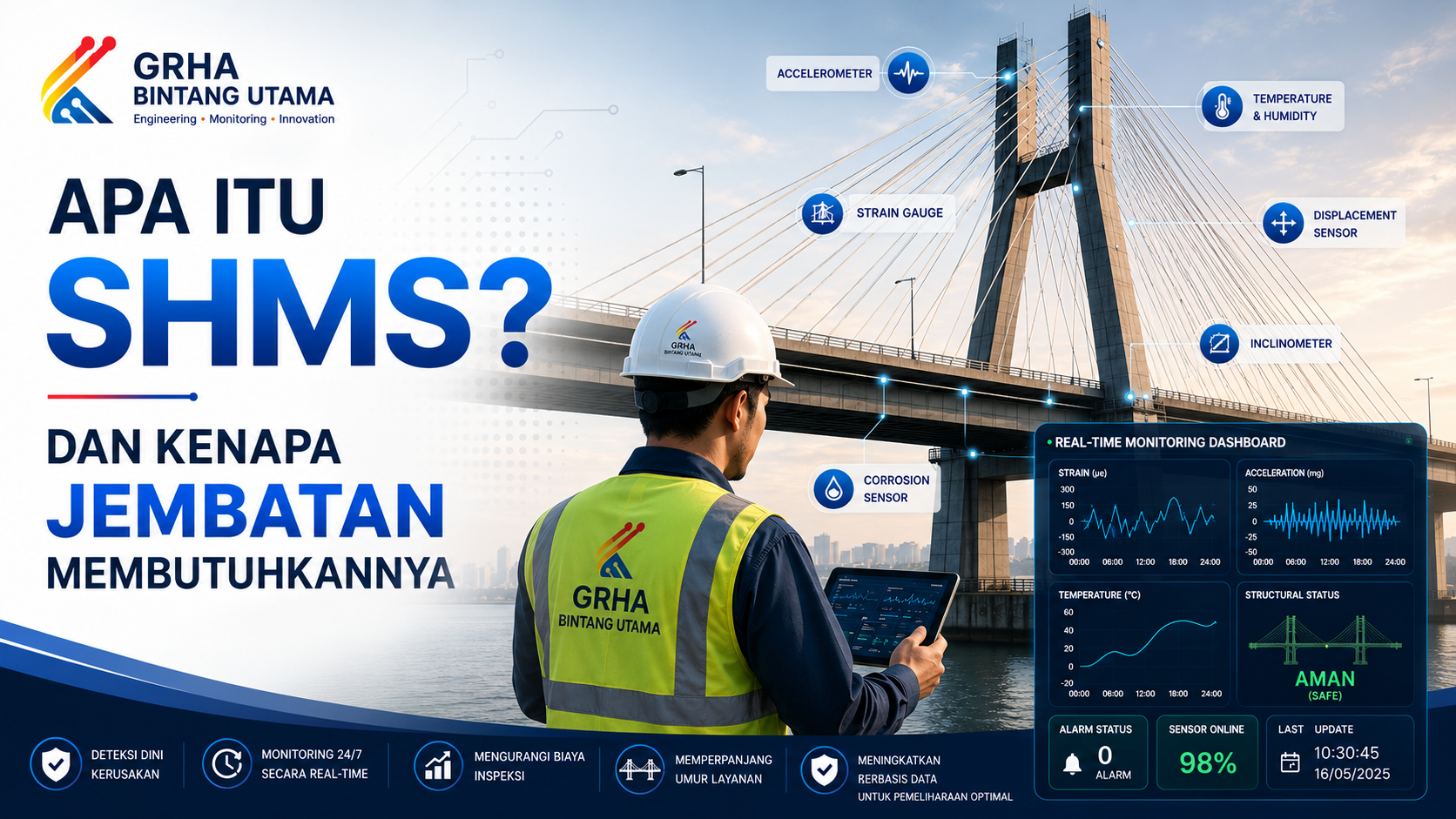
What is SHMS (Structural Health Monitoring System) and Why Do Bridges Need It?
Read More

Jakarta Selatan, [email protected] 0812-1146-0008