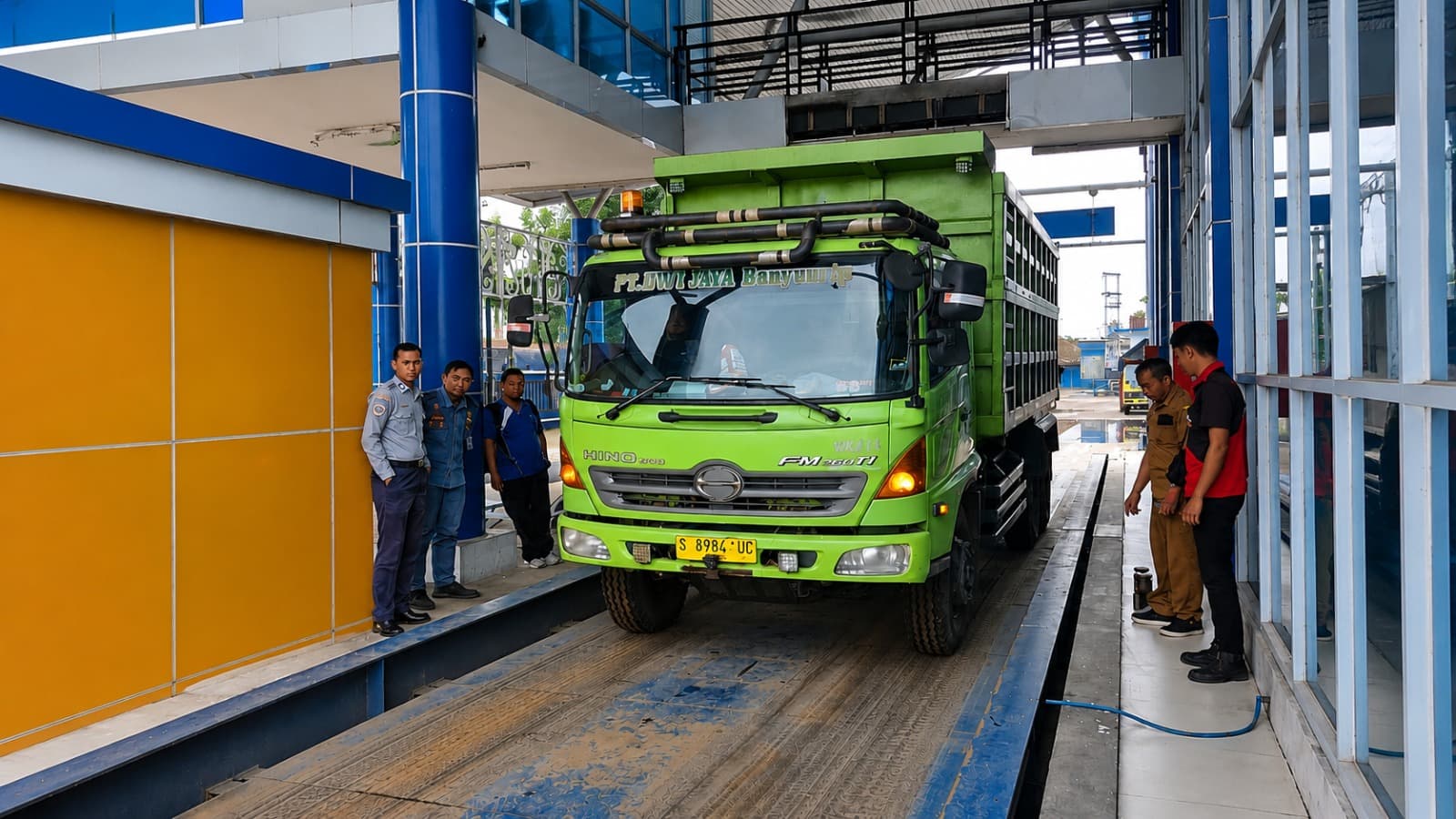
Reducing Revenue Leakage: Why Static Weighbridge Calibration Is Critical
Author
Reducing Revenue Leakage: Why Static Weighbridge Calibration Is Critical
In industries such as logistics, mining, agriculture, manufacturing, ports, and industrial estates, static weighbridges play a vital role in ensuring accurate vehicle and cargo weight measurements. Accurate weighing data serves as the foundation for numerous business processes, including commercial transactions, inventory management, transportation planning, operational reporting, and regulatory compliance.
However, many organizations fail to recognize that even small inaccuracies in their weighing systems can result in significant financial losses over time. One of the leading causes of weighing inaccuracies is the lack of regular static weighbridge calibration.
Calibration is not merely a technical procedure performed to satisfy operational standards. It is a strategic investment that helps maintain measurement accuracy, protect company revenue, and support efficient business operations.
What Is Static Weighbridge Calibration?
Static weighbridge calibration is the process of testing and adjusting a weighbridge system using certified reference weights or approved calibration methods to ensure that the displayed measurements accurately reflect the actual weight being applied.
Over time, various components within a weighbridge system can experience performance changes due to environmental conditions, equipment aging, heavy usage, or mechanical stress. As a result, weighing data may gradually drift away from true values without being immediately noticeable to operators.
Calibration identifies and corrects these deviations, ensuring that the weighbridge continues to deliver accurate and reliable measurements.
Why Is Weighing Accuracy So Important?
In modern industrial operations, data accuracy is essential. When businesses rely on weighbridges to determine the quantity of materials received, shipped, purchased, or sold, every kilogram has direct financial value.
Imagine a weighbridge producing an error margin of only 0.5% to 1%. For organizations handling large volumes of goods every day, this seemingly small discrepancy can result in substantial annual losses.
Inaccurate weighing can lead to:
- Revenue loss caused by underreported or overreported weights
- Inventory discrepancies
- Disputes with customers and suppliers
- Incorrect transportation billing
- Compliance and auditing challenges
- Reduced customer confidence
For these reasons, static weighbridge calibration is a critical component of any effective asset management strategy.
Common Causes of Weighbridge Inaccuracy
Although weighbridges are designed for demanding environments, several factors can negatively affect their performance and measurement accuracy.
1. Load Cell Performance Degradation
Load cells are the primary sensors responsible for converting vehicle weight into electronic signals. Over time, continuous use, corrosion, environmental exposure, and mechanical stress can alter their sensitivity and accuracy.
2. Environmental Conditions
Rain, extreme temperatures, dust, vibration, and humidity can affect both electronic and mechanical components within a weighbridge system.
3. Foundation Movement and Structural Settlement
Changes in soil conditions or foundation movement may alter load distribution across the weighbridge platform, leading to inconsistent measurements.
4. Electrical System Problems
Issues involving cables, junction boxes, grounding systems, or weighing indicators can introduce signal instability and measurement errors.
5. High Usage Frequency
Weighbridges that operate continuously under heavy traffic conditions are naturally subject to greater wear and tear than systems with lower utilization rates.
The Financial Impact of Skipping Calibration
Many companies focus on the direct cost of calibration while overlooking the much larger costs associated with inaccurate measurements.
For example, if a business processes 1,000 tons of material per day and experiences a weighing error of only 0.5%, the discrepancy could amount to 5 tons daily.
Over the course of a month or year, the financial impact of these inaccuracies may far exceed the cost of routine calibration services.
This is why static weighbridge calibration should be viewed as a proactive investment rather than an operational expense. Accurate weighing protects revenue, strengthens accountability, and improves overall business performance.
Benefits of Regular Static Weighbridge Calibration
Routine calibration provides numerous advantages for organizations that depend on accurate vehicle weighing.
Maintains Measurement Accuracy
Calibration ensures that the weighbridge continues to provide results that align with recognized industry standards and operational requirements.
Prevents Revenue Leakage
Accurate weighing minimizes the risk of financial losses caused by incorrect weight measurements.
Supports Regulatory Compliance
Many industries require certified weighing systems to meet specific legal and quality standards. Calibration helps ensure compliance with these requirements.
Improves Customer Trust
Customers and business partners are more confident in transactions supported by verified and calibrated weighing systems.
Extends Equipment Lifespan
Calibration procedures often include comprehensive inspections that help identify potential issues before they develop into major failures.
Enhances Operational Efficiency
Reliable weighing data enables better decision-making, streamlined logistics operations, and improved resource management.
How Often Should Calibration Be Performed?
Calibration frequency depends on several factors, including operational intensity, environmental conditions, and applicable regulations.
However, industry best practices generally recommend:
- Performing calibration at least once per year
- Conducting calibration after major component replacements
- Recalibrating after weighbridge relocation
- Scheduling calibration whenever measurement inaccuracies are suspected
Regular inspections between calibration intervals can further improve system reliability and performance.
The Role of PT Grha Bintang Utama in Weighbridge Solutions
As an experienced provider of vehicle weighing systems and transportation infrastructure solutions, PT Grha Bintang Utama offers comprehensive services that help organizations maintain accurate and reliable weighbridge operations.
The company's services include:
- Weighbridge consultation
- System installation
- Preventive maintenance
- Inspection services
- Static weighbridge calibration
- System upgrades and modernization
- Technical support and troubleshooting
With a team of experienced professionals and advanced weighing technologies, PT Grha Bintang Utama helps businesses maintain operational efficiency while minimizing risks associated with inaccurate measurements.
A proactive approach to maintenance and calibration allows organizations to maximize equipment performance, reduce downtime, and protect long-term profitability.
Conclusion
Static weighbridge calibration is one of the most important measures businesses can take to maintain weighing accuracy and prevent revenue leakage. Even minor measurement errors can significantly impact transactions, inventory management, operational reporting, and overall profitability.
Through regular static weighbridge calibration, organizations can ensure that every recorded kilogram accurately reflects actual conditions. Calibration not only improves system reliability but also supports regulatory compliance, extends equipment lifespan, and enhances customer confidence.
With professional weighbridge solutions and calibration services from PT Grha Bintang Utama, businesses can achieve greater operational efficiency, protect revenue streams, and ensure long-term accuracy in their vehicle weighing operations.
Reducing Revenue Leakage: Why Static Weighbridge Calibration Is Critical
Read More
Transformer Monitoring: Prevent Hidden Costs from Transformer Failure and Unplanned Downtime
Read More
How WIM Technology Helps Governments Address the ODOL (Over Dimension Over Load) Truck Problem
Read More

Jakarta Selatan, [email protected] 0812-1146-0008