
How Strain Gauge Sensors Work in High-Performance WIM Systems
Author
How Strain Gauge Sensors Work in High-Performance WIM Systems
The rapid advancement of transportation technology has increased the demand for accurate and efficient vehicle monitoring systems. One of the most widely adopted solutions by highway operators, toll road authorities, ports, industrial estates, and logistics companies is Weigh in Motion (WIM) technology. This system enables vehicles to be weighed while they are moving, eliminating the need to stop traffic and improving operational efficiency.
The performance of a WIM system depends heavily on the quality of the sensors used to capture vehicle load data. Among the various sensing technologies available today, strain gauge sensors in WIM systems are recognized for their high accuracy, reliability, and ability to deliver precise measurements under dynamic conditions.
As a trusted provider of intelligent transportation and vehicle weighing solutions, PT Grha Bintang Utama understands the importance of selecting the right sensor technology to ensure reliable data collection and long-term system performance.
Understanding Weigh in Motion (WIM) Technology
Weigh in Motion, commonly known as WIM, is a technology designed to measure the weight of vehicles while they are moving. Unlike traditional weighbridges that require vehicles to stop completely before weighing, WIM systems can collect vehicle weight data in real time as vehicles travel across a designated measurement area.
Modern WIM systems can capture various types of information, including:
- Gross vehicle weight
- Axle load distribution
- Number of axles
- Vehicle speed
- Vehicle classification
- Vehicle length
- Traffic volume statistics
- Potential Over Dimension Over Loading (ODOL) violations
This data plays a crucial role in traffic management, infrastructure protection, road maintenance planning, and transportation policy development.
What Is a Strain Gauge Sensor?
A strain gauge is a sensor designed to measure extremely small deformations or strains in a material when it is subjected to force or pressure.
Whenever an object experiences a load, it undergoes a slight change in shape. Although these deformations are often invisible to the human eye, they can be accurately detected using strain gauge technology.
The operating principle of a strain gauge is based on changes in electrical resistance. When the sensor stretches, its electrical resistance increases. When it is compressed, its resistance decreases. These changes are proportional to the amount of force applied and can be measured with remarkable precision.
In WIM applications, these resistance changes are converted into weight data that can be analyzed and reported by the system.
How Strain Gauge Sensors Work in WIM Systems
In WIM applications, strain gauge sensors are typically attached to structural elements that experience stress when vehicles pass over them. These structures may include specialized weighing plates, load-bearing platforms, or bridge structures in Bridge WIM applications.
The measurement process occurs through several stages.
1. A Vehicle Passes Through the Measurement Zone
As a vehicle travels over the sensing area, its weight applies force to the structure equipped with strain gauge sensors.
2. The Structure Experiences Micro-Deformation
The applied load causes the structure to deform slightly. These microscopic changes may be extremely small, but they are sufficient to alter the condition of the attached strain gauge.
3. Electrical Resistance Changes
As the strain gauge stretches or compresses along with the structure, its electrical resistance changes proportionally to the applied force.
The heavier the vehicle, the greater the deformation and the larger the resistance change detected by the sensor.
4. Signal Processing Through a Wheatstone Bridge Circuit
The resistance changes are measured using an electronic configuration known as a Wheatstone Bridge circuit.
This circuit amplifies the small resistance variations and converts them into measurable voltage signals that can be processed by the WIM controller.
5. Vehicle Weight Is Calculated
The voltage signals are then analyzed by the WIM software using advanced algorithms to determine:
- Gross vehicle weight
- Axle loads
- Vehicle classification
- Traffic statistics
The entire process occurs within milliseconds, allowing vehicles to maintain normal travel speeds without interruption.
Advantages of Strain Gauge Sensors in WIM Applications
Strain gauge technology offers several important benefits that make it highly suitable for dynamic vehicle weighing applications.
High Accuracy
One of the most significant advantages of strain gauge sensors is their ability to detect extremely small changes in force. This enables highly accurate weight measurements, even under dynamic traffic conditions.
Long-Term Stability
When properly installed and calibrated, strain gauge sensors maintain consistent performance over extended periods. This makes them suitable for permanent WIM installations.
Excellent Sensitivity
The technology is highly sensitive to force variations, allowing it to accurately measure both light and heavy vehicle loads.
Flexible System Integration
Strain gauge sensors can be integrated with various intelligent transportation technologies, including:
- Automatic Number Plate Recognition (ANPR)
- CCTV systems
- Traffic monitoring platforms
- Data analytics dashboards
- Centralized transportation management systems
Ideal for Bridge WIM Applications
Many Bridge Weigh in Motion systems rely on strain gauge technology because it can effectively utilize the natural deformation of bridge structures to estimate vehicle weight.
The Importance of Strain Gauge Sensors for Infrastructure Protection
Overloaded vehicles are one of the primary causes of premature road and bridge deterioration. Excessive axle loads accelerate pavement damage, increase maintenance costs, and reduce the lifespan of transportation infrastructure.
By using strain gauge sensors in WIM systems, infrastructure operators can collect accurate vehicle load data and identify overloaded vehicles before significant damage occurs.
This information helps organizations:
- Detect overloaded vehicles
- Support ODOL enforcement programs
- Prioritize maintenance activities
- Optimize infrastructure budgets
- Improve transportation safety
- Develop data-driven transportation policies
Accurate weight data ultimately contributes to better infrastructure management and long-term asset protection.
Challenges in Implementing Strain Gauge-Based WIM Systems
Although strain gauge technology offers numerous advantages, successful implementation requires careful planning and engineering.
Several factors can influence system performance, including:
- Temperature fluctuations
- Humidity levels
- Structural vibration
- Installation quality
- Calibration accuracy
- Environmental conditions
To achieve optimal results, proper installation procedures, routine inspections, and periodic calibration are essential.
Additionally, selecting the appropriate installation location and system architecture plays a major role in ensuring reliable long-term operation.
PT Grha Bintang Utama's Expertise in Modern WIM Solutions
As a provider of advanced vehicle weighing and transportation monitoring solutions, PT Grha Bintang Utama supports the implementation of WIM technologies that prioritize accuracy, reliability, and data integration.
The company works with toll road operators, highway authorities, industrial estates, ports, logistics providers, and government agencies to develop WIM systems tailored to specific operational requirements.
By integrating strain gauge sensors with vehicle identification technologies, ANPR cameras, CCTV systems, monitoring dashboards, and data analytics platforms, PT Grha Bintang Utama helps organizations gain comprehensive visibility into vehicle traffic and loading patterns.
These integrated solutions enable more effective infrastructure protection, traffic management, and regulatory compliance.
Conclusion
Strain gauge sensors are among the most important technologies used in modern Weigh in Motion systems. By detecting microscopic structural deformation and converting it into measurable electrical signals, these sensors provide highly accurate vehicle weight data without disrupting traffic flow.
The use of strain gauge sensors in WIM systems supports more effective monitoring of heavy vehicles, enhances road and bridge protection, and provides valuable data for transportation planning and infrastructure management.
With extensive experience in intelligent transportation solutions, PT Grha Bintang Utama helps organizations implement reliable, scalable, and future-ready WIM systems that deliver accurate performance and long-term operational value.
Source :
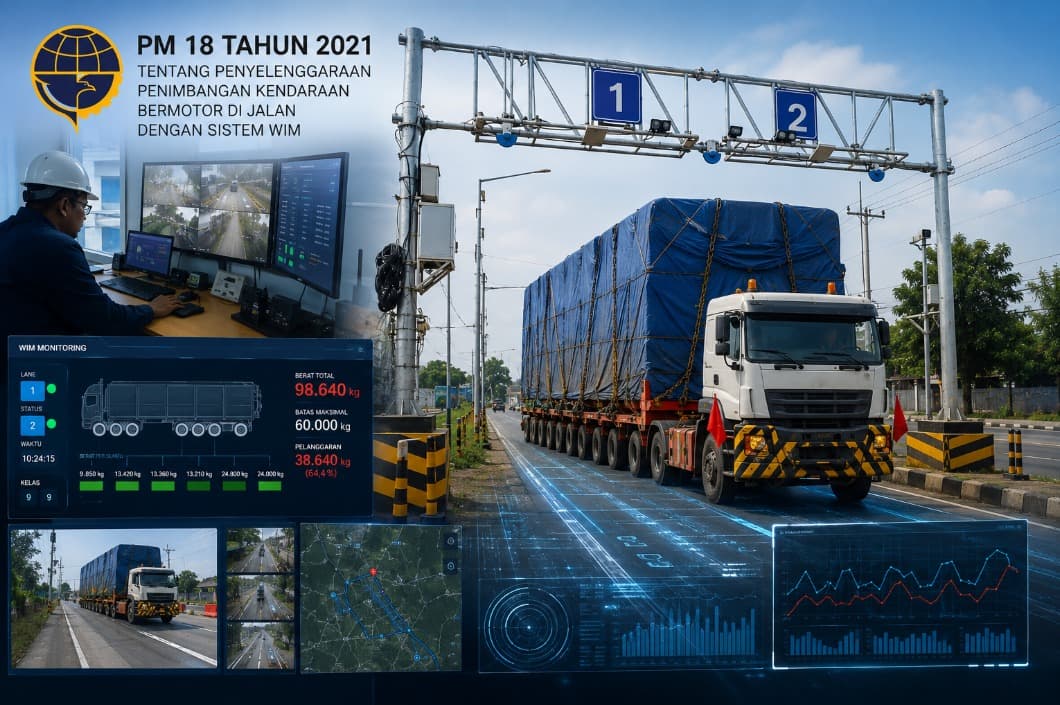
https://grhabintangutama.co.id/How WIM Technology Helps Governments Address the ODOL (Over Dimension Over Load) Truck Problem
Read More
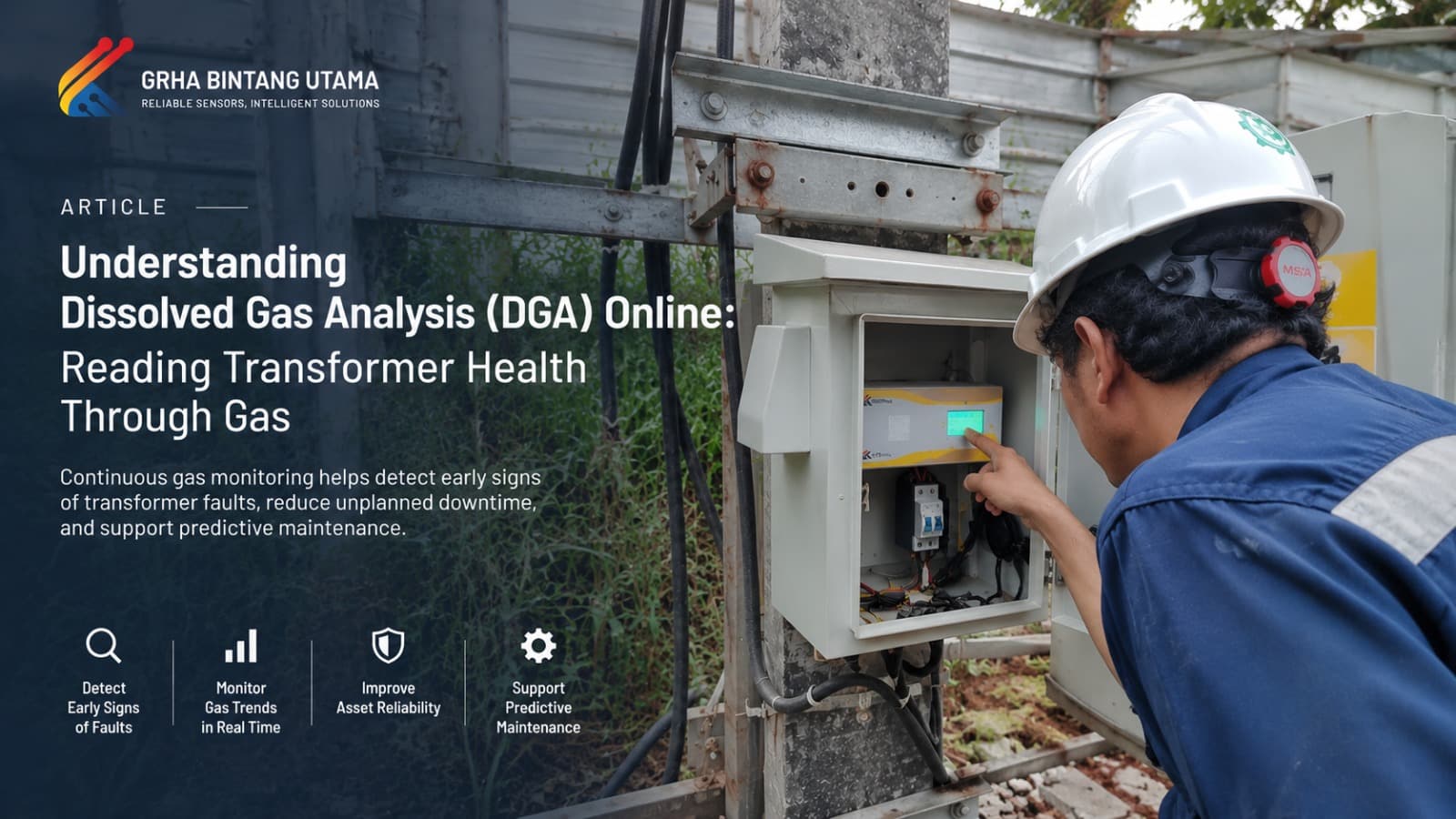
Dissolved Gas Analysis (DGA) Online: Reading Transformer Health Through Gas in Real Time
Read More
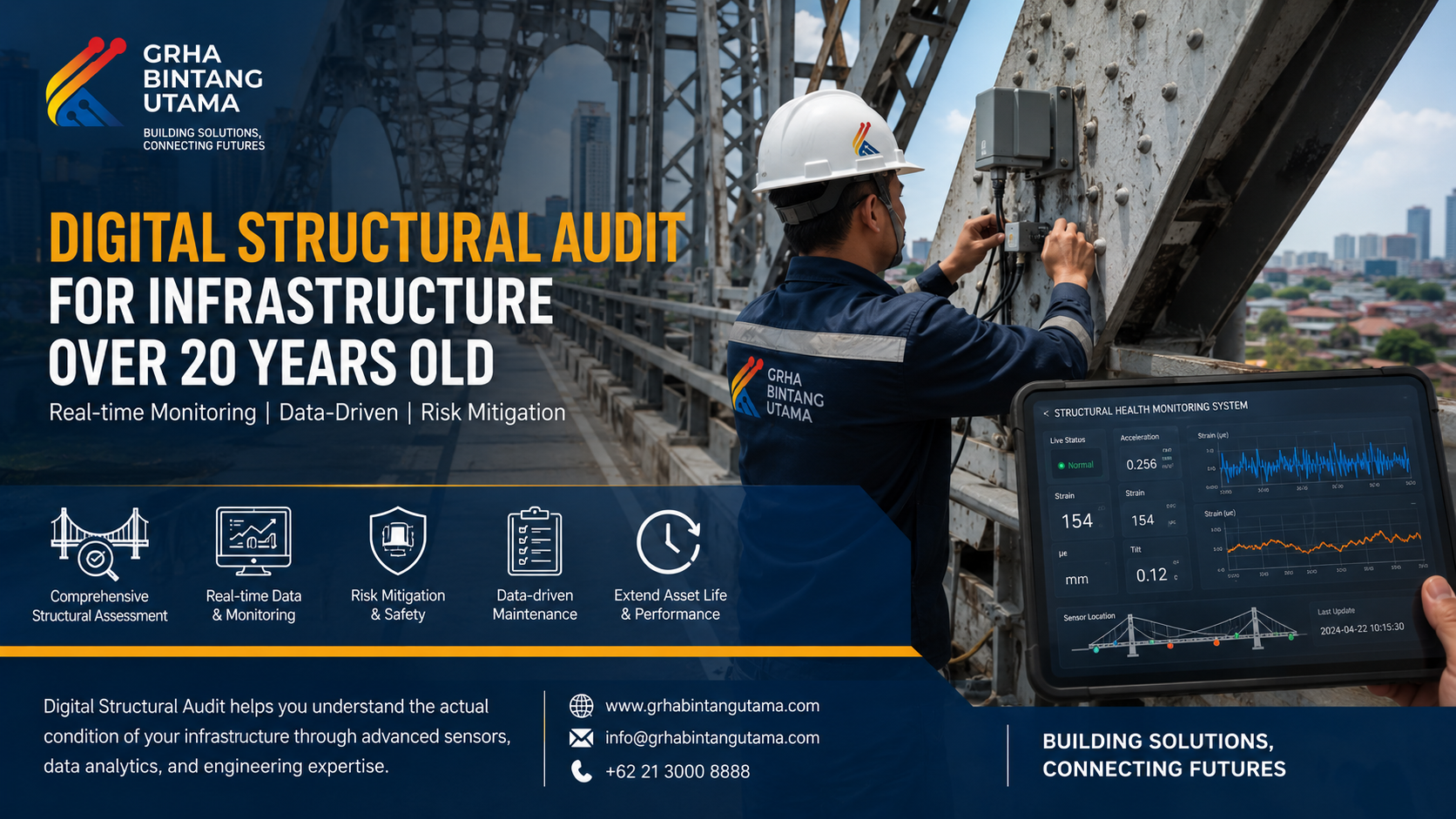
The Importance of Digital Structural Audits for Infrastructure Over 20 Years Old
Read More

Jakarta Selatan, [email protected] 0812-1146-0008