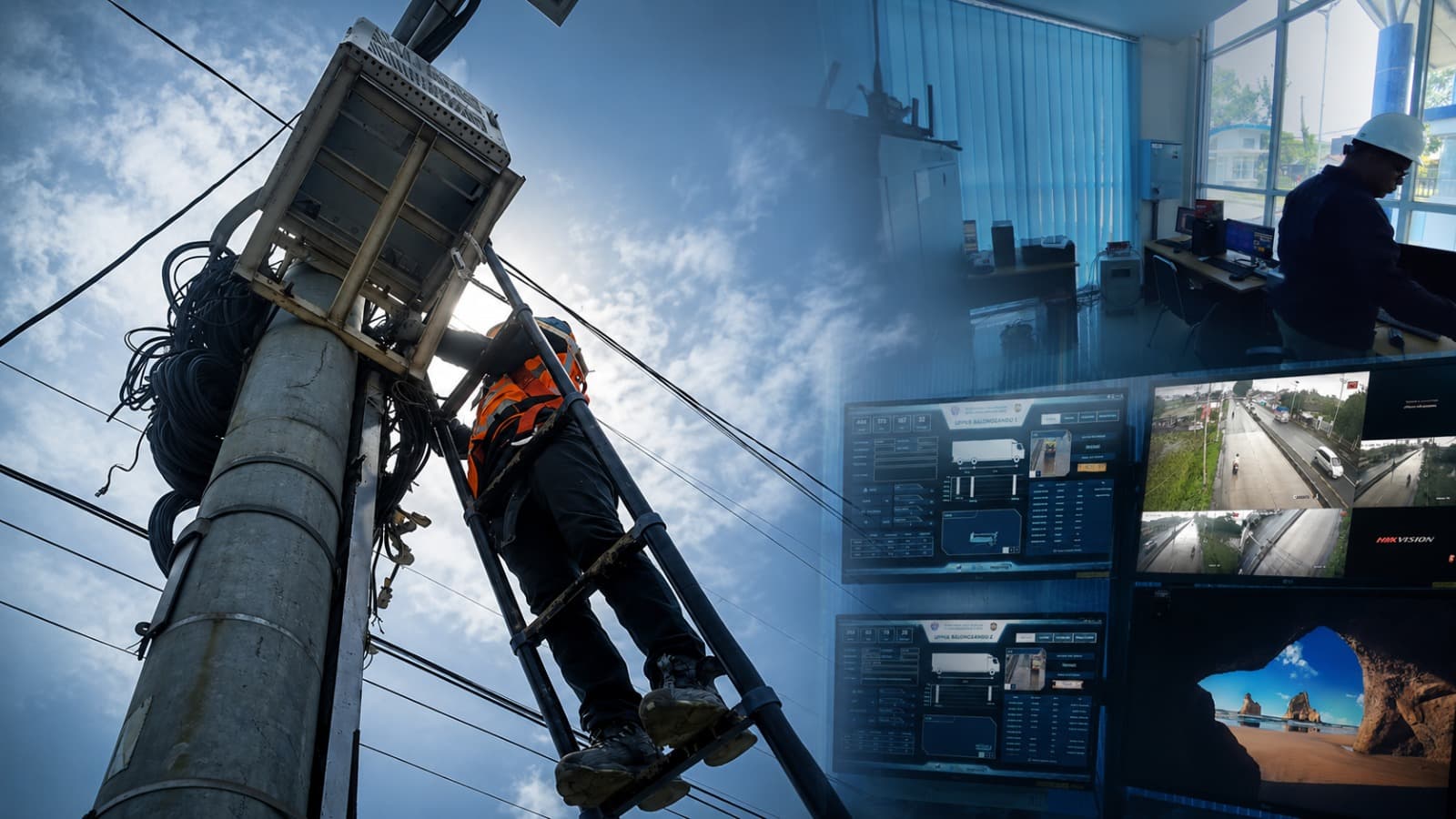
5 Critical Components of a Weighbridge That Require Regular Maintenance
Author
5 Critical Components of a Weighbridge That Require Regular Maintenance
In industries such as logistics, manufacturing, mining, ports, agriculture, and industrial estates, weighbridges play a vital role in ensuring accurate vehicle and cargo weight measurements. Even the smallest weighing error can result in financial losses, inventory discrepancies, operational inefficiencies, and regulatory compliance issues.
Despite their importance, many organizations focus primarily on operating their weighbridge systems while overlooking the maintenance requirements of the components that keep them functioning accurately. Like any other industrial asset, a weighbridge requires a structured maintenance program to ensure long-term reliability and performance.
As an experienced provider of weighing solutions, PT Grha Bintang Utama understands that the success of a weighbridge system depends not only on the quality of installation but also on the consistent maintenance of its critical components.
Below are five critical components of a weighbridge that should be inspected and maintained regularly to ensure accurate and reliable operation.
1. Load Cells: The Heart of Every Weighbridge
Load cells are the most critical components of a weighbridge system. Their primary function is to convert mechanical force generated by vehicle weight into electrical signals that can be processed by the weighing indicator.
Since load cells continuously handle heavy vehicle loads, they are exposed to various environmental and operational challenges such as moisture, corrosion, vibration, impact, dust, and temperature fluctuations. Over time, these factors can affect their performance and accuracy.
If a load cell becomes damaged or starts producing inaccurate readings, the entire weighing system may generate incorrect weight measurements. This can significantly impact operational decisions and business transactions.
To avoid such issues, routine inspections should include checking the physical condition of load cells, examining cable connections, cleaning surrounding areas, and testing performance periodically.
PT Grha Bintang Utama recommends conducting load cell inspections regularly, particularly in high-traffic facilities where weighbridges operate continuously throughout the day.
2. Digital Weight Indicator
The weight indicator serves as the control center of the weighbridge system. It receives signals from the load cells, processes the data, and displays the vehicle's weight to operators.
Modern digital indicators often provide additional features such as data storage, reporting functions, software integration, and connectivity with enterprise management systems.
Common issues affecting indicators include display malfunctions, communication failures, software errors, electrical disturbances, and hardware degradation. If left unaddressed, these problems may compromise operational efficiency and data accuracy.
Regular maintenance should include system diagnostics, firmware updates, data backup procedures, and verification of communication interfaces. Ensuring that the indicator functions properly is essential for maintaining the overall reliability of the weighbridge.
3. Weighbridge Platform Structure
The weighbridge platform is the physical structure that supports vehicle loads during the weighing process. Every truck, trailer, or heavy vehicle passing through the weighbridge exerts substantial force on the platform.
Because of this constant stress, the platform is vulnerable to structural wear, corrosion, cracks, loose connections, and foundation settlement. Any structural issue can influence load distribution and ultimately affect weighing accuracy.
Routine inspections should focus on identifying visible signs of damage, corrosion, deformation, or excessive wear. Operators should also ensure that debris, mud, stones, and other foreign materials do not accumulate around the platform, as these can interfere with normal movement and performance.
PT Grha Bintang Utama has observed that many weighing accuracy issues originate from structural problems rather than electronic components, highlighting the importance of routine platform inspections.
4. Junction Box and Electrical System
The junction box serves as the connection point between multiple load cells and the weighing indicator. It plays a crucial role in ensuring stable signal transmission throughout the weighing system.
Industrial environments often expose junction boxes to harsh conditions such as dust, water, humidity, heat, and vibration. Loose terminals, damaged wiring, moisture intrusion, or poor grounding can lead to unstable readings and measurement inconsistencies.
Regular inspections should include checking cable integrity, connector conditions, terminal security, grounding systems, and waterproof seals. Preventive maintenance in this area helps avoid unexpected system failures and improves overall reliability.
A well-maintained electrical system not only supports accurate weighing results but also minimizes operational downtime and costly repairs.
5. Calibration and Accuracy Verification System
Even if all hardware components are functioning properly, weighbridge accuracy cannot be guaranteed without regular calibration and verification procedures.
Calibration ensures that the weight readings displayed by the system remain aligned with certified standards and operational requirements. Over time, environmental factors, component wear, and operational stress can gradually affect measurement accuracy.
Routine calibration allows operators to identify discrepancies before they become significant problems. It also helps businesses comply with industry regulations, quality management standards, and customer requirements.
PT Grha Bintang Utama strongly recommends implementing a documented calibration schedule as part of a comprehensive asset management and quality assurance program.
Why Routine Weighbridge Maintenance Matters
Many organizations only address maintenance issues after a system failure occurs. However, preventive maintenance is significantly more cost-effective than reactive repairs.
By routinely inspecting the critical components of a weighbridge, businesses can achieve several important benefits:
- Maintain consistent weighing accuracy.
- Reduce unexpected downtime.
- Extend equipment lifespan.
- Lower long-term repair costs.
- Improve operational efficiency.
- Support regulatory compliance.
- Enhance data reliability for business decision-making.
- Protect infrastructure investments.
A proactive maintenance strategy ensures that weighing systems continue to deliver accurate and dependable results year after year.
The Role of PT Grha Bintang Utama in Weighbridge Maintenance
As a trusted provider of vehicle weighing solutions, PT Grha Bintang Utama offers comprehensive services that support the entire lifecycle of a weighbridge system. These services include system consultation, installation, preventive maintenance, inspections, calibration, troubleshooting, and technical support.
By combining technical expertise with industry experience, PT Grha Bintang Utama helps organizations maximize the performance and reliability of their weighing infrastructure while minimizing operational risks.
Conclusion
A weighbridge is a critical asset for businesses that rely on accurate vehicle weight measurements. To ensure optimal performance, organizations must prioritize the maintenance of five key components: load cells, digital weight indicators, platform structures, junction boxes, and calibration systems.
Regular maintenance not only improves weighing accuracy but also extends equipment lifespan, reduces operational disruptions, and protects business profitability.
As a leading provider of weighing solutions in Indonesia, PT Grha Bintang Utama is committed to helping businesses maintain high-performance weighbridge systems through professional maintenance, calibration, and technical support services.
IoT Electrical Monitoring: How Factories Can Cut Energy Bills by Up to 15% with Real-Time Data

Read More
5 Critical Components of a Weighbridge That Require Regular Maintenance
Read More
What is SHMS (Structural Health Monitoring System) and Why Do Bridges Need It?
Read More

Jakarta Selatan, [email protected] 0812-1146-0008